The Australian Government has recently replaced the Genuine Temporary Entrant (GTE) requirement with a new Genuine Student Requirement (GSR). Aspiring students planning to study in Australia must understand the implications of this change. The new GS requirement makes it clearer how visa applications are evaluated. It also clears up any doubts about whether applicants can say they want to move to Australia, and helps the Department of Home Affairs find fake students. Real students, quality providers, education agents, and employers (in Australia and around the world) who want to hire Australia’s bright international graduates will all benefit from an international education sector that is stable and of high quality. Let’s explore what the GSR entails and how it impacts student visa applications. What is the Genuine Student Requirement? The Genuine Student Requirement is a crucial step in the student visa application process in Australia. Unlike the previous 300-word statement, the GSR now involves answering targeted questions. These questions provide context to the documentary evidence submitted in support of the application. Here are the key aspects covered by the GS questions: #1 Current Circumstances: #2 Course and Destination Choice: #3 Expected Benefits: #4 Educational Background (if applicable): #5 Current Employment #6 Visa Declaration: When Does It Apply? The Genuine Student Requirement applies to Student visa applications lodged on or after March 23, 2024. Applications submitted before this date will continue to be assessed based on the previous GTE requirement. The shift to the GS requirement aims to: Different Needs in GSR Financial Papers Requirement Limitations of the Genuine Student Requirement The Genuine Student Requirement is a mandatory requirement for getting a student visa in Australia. It superseded the prior Genuine Temporary Entrant (GTE) criteria for student visas. Here are the constraints that come with the GS requirement: The GSR is subjective, and immigration case officers have the ability to interpret and apply it. Generic claims that lack sufficient proof are not given much weight in the assessment. Applicants must offer proof to back up their information provided. Unsupported claims about being a legitimate student may result in visa refusal. The GS requirement underlines the transient character of student visas, limiting permanent migration opportunities. Students are required to return home unless they are eligible for lawful permanent residency. While the GS requirement ensures genuine student intents, applicants must manage its subjective nature and present strong proof to meet the criteria. Conclusion Moreover, the statement for the student visa has been modified. You must demonstrate that you have read, comprehended, and committed to complying with the student visa criteria, as well as notifying the Department of Home Affairs if your circumstances change. You must also demonstrate that you understand what it means to be a genuine student. Please be aware that although post-study options for permanent migration are available, only a specified number of graduates will be eligible for these opportunities. Get in touch with our foreign education experts at Study And Work Abroad if you have more questions about the changes or want to apply to universities in Australia. They will help you with the whole process.
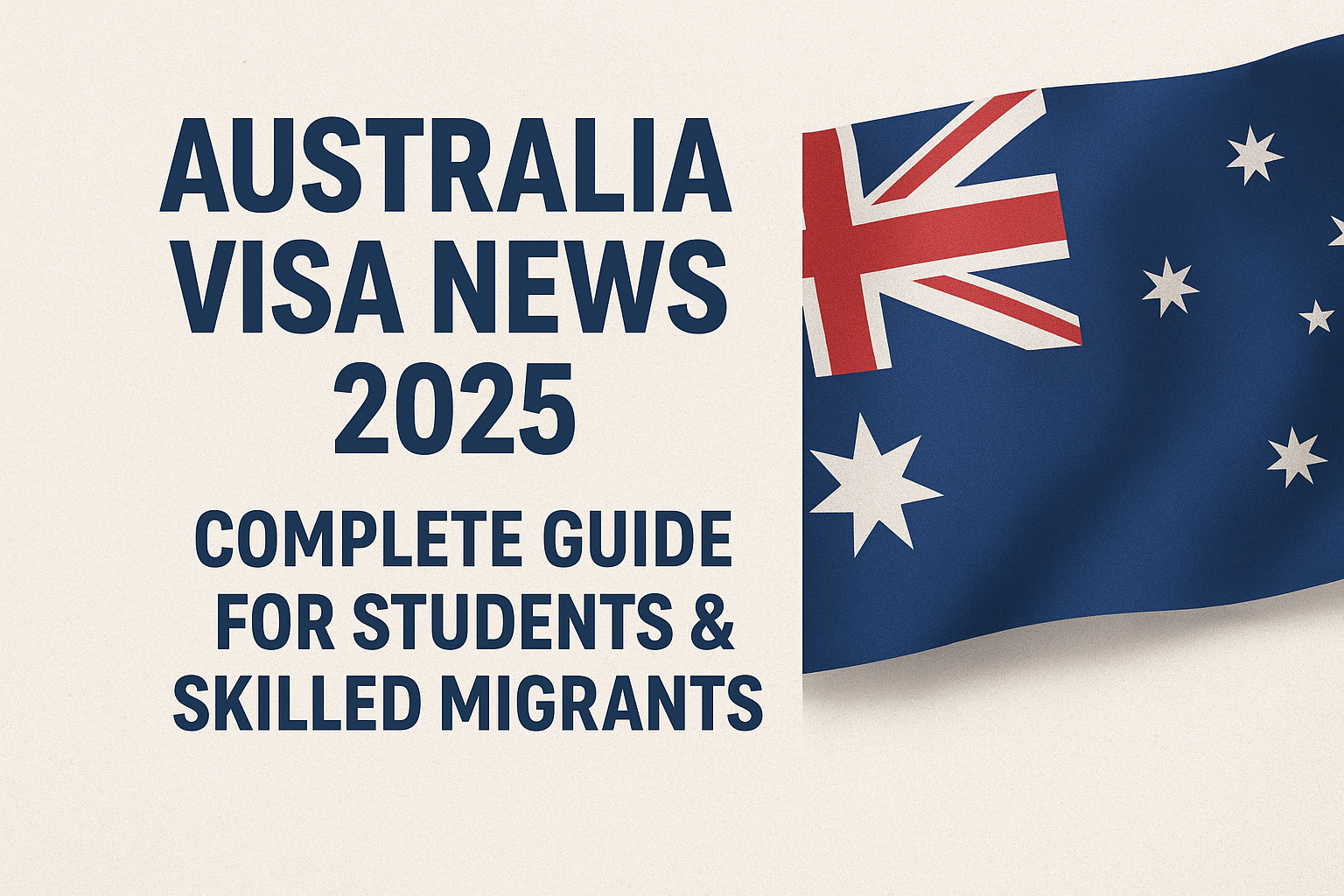
The Australian Government has recently replaced the Genuine Temporary Entrant (GTE) requirement with a new Genuine Student Requirement (GSR). Aspiring students planning to study in Australia must understand the implications of this change.
The new GS requirement makes it clearer how visa applications are evaluated. It also clears up any doubts about whether applicants can say they want to move to Australia, and helps the Department of Home Affairs find fake students.
Real students, quality providers, education agents, and employers (in Australia and around the world) who want to hire Australia’s bright international graduates will all benefit from an international education sector that is stable and of high quality. Let’s explore what the GSR entails and how it impacts student visa applications.
What is the Genuine Student Requirement?
The Genuine Student Requirement is a crucial step in the student visa application process in Australia. Unlike the previous 300-word statement, the GSR now involves answering targeted questions. These questions provide context to the documentary evidence submitted in support of the application. Here are the key aspects covered by the GS questions:
#1 Current Circumstances:
- Details about your family, community relations, employment, and economic situation.
- How do these factors relate to your decision to study in Australia?
#2 Course and Destination Choice:
- Why did you choose your specific course?
- Why Australia is your preferred study destination.
#3 Expected Benefits:
- How do you expect to benefit from studying your chosen course?
- Career prospects and personal growth.
#4 Educational Background (if applicable):
- Information about any previous study experiences in Australia.
- Academic reports related to such exams.
#5 Current Employment
- Information about their present job and the address of the company.
- Period of employment.
- Information about the position held.
- The name and number of a person who can check the details of the job being declared.
#6 Visa Declaration:
- Confirming your understanding of being a genuine student.
- Commitment to comply with visa conditions and report any changes in circumstances.
When Does It Apply?
The Genuine Student Requirement applies to Student visa applications lodged on or after March 23, 2024. Applications submitted before this date will continue to be assessed based on the previous GTE requirement. The shift to the GS requirement aims to:
- Help identify non-genuine students.
- Provide clarity in assessing visa applications.
- Strengthen Australia’s international education sector.
- Eliminate confusion about expressing migration intentions.
Different Needs in GSR
- Students from other countries must have a higher English level (IELTS total score of 6.0).
- The 300-word statement was changed to a target question as required by GS.
- It will be added to the student visa declaration that students understand the conditions of their visas, and qualified students can take a post-study pathway.
- There is a student test for fake students who are mostly looking for work, and visitor visa users can follow all other rules for their stay. This makes people less likely to apply for a student visa onshore.
- The lowest number on the IELTS test that you need to get a student visa goes up from 5.5 to 6 (or its equivalent).
- The lowest score you need on the IELTS to take a packaged ELICOS goes up from 4.5 to 5.0.
- IELTS 5.5 is the minimum score needed for students to get into university foundation or pathway programs that offer good English language training.
Financial Papers Requirement
- In the GS assessment, general statements that aren’t backed up by facts don’t carry much weight. In other words, it is important to back up a claim made by the application with proof.
- Proof of business or employment actions for the 12 months prior to applying.
- Bank records or income tax return
Limitations of the Genuine Student Requirement
The Genuine Student Requirement is a mandatory requirement for getting a student visa in Australia. It superseded the prior Genuine Temporary Entrant (GTE) criteria for student visas. Here are the constraints that come with the GS requirement:
- Subjectivity Issue:
The GSR is subjective, and immigration case officers have the ability to interpret and apply it. Generic claims that lack sufficient proof are not given much weight in the assessment.
- Evidence Burden:
Applicants must offer proof to back up their information provided. Unsupported claims about being a legitimate student may result in visa refusal.
- Limited Pathways:
The GS requirement underlines the transient character of student visas, limiting permanent migration opportunities. Students are required to return home unless they are eligible for lawful permanent residency.
While the GS requirement ensures genuine student intents, applicants must manage its subjective nature and present strong proof to meet the criteria.
Conclusion
Moreover, the statement for the student visa has been modified. You must demonstrate that you have read, comprehended, and committed to complying with the student visa criteria, as well as notifying the Department of Home Affairs if your circumstances change.
You must also demonstrate that you understand what it means to be a genuine student. Please be aware that although post-study options for permanent migration are available, only a specified number of graduates will be eligible for these opportunities.
Get in touch with our foreign education experts at Study And Work Abroad if you have more questions about the changes or want to apply to universities in Australia. They will help you with the whole process.